Introduction
In today’s world, sustainability isn't just a buzzword; it's a necessity. As we face climate change and environmental degradation, industries are challenged to adopt practices that not only meet their needs but also preserve our planet for future generations. One such industry is construction, particularly pole barn construction. But why does sustainability matter in this niche?
Pole barns, often regarded as utilitarian structures primarily used for agricultural purposes or storage, have evolved significantly over the years. Their construction methods and materials can have a substantial impact on the environment. Understanding why sustainability matters in the world of pole barn construction not only benefits the environment but can also lead to cost savings, improved building durability, and enhanced community relations.
This article aims to delve into various aspects of sustainable practices in pole barn construction, exploring everything from materials choice to energy efficiency and community involvement.
Understanding Pole Barns: A Brief Overview
What Are Pole Barns?
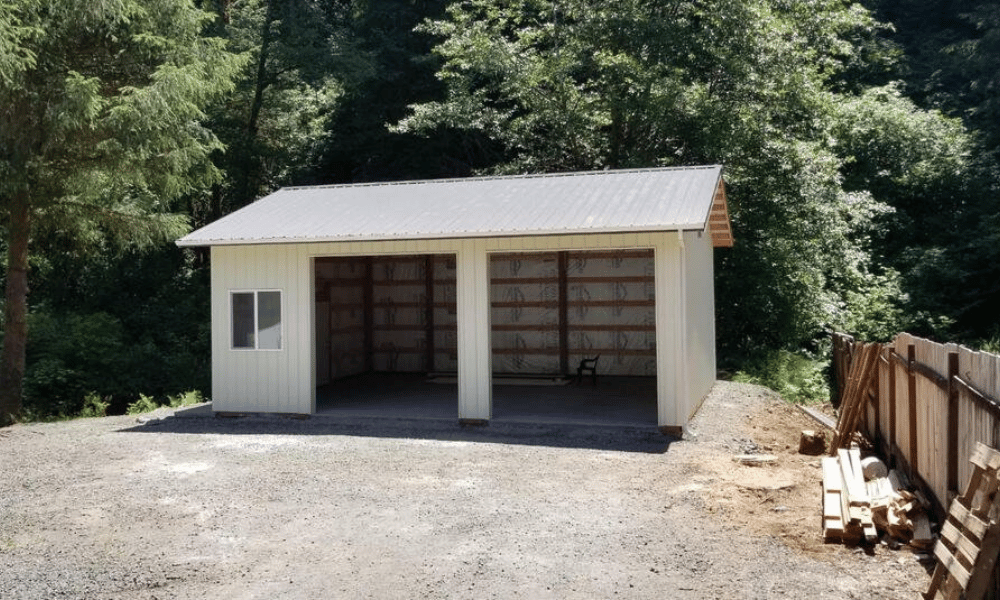
Pole barns are structures built using a framework of poles or posts that support the roof and walls. They are commonly used for agricultural storage, workshops, garages, and even residential homes. The simplicity of their design allows for versatile applications across various sectors.
The Evolution of Pole Barns
Traditionally, pole barns were made from wood sourced from local forests. However, with advancements in technology and construction methods, new materials have emerged. From metal siding to insulated panels, the evolution of pole barns reflects broader trends in building practices.
Why Choose Pole Barns?
Many people opt for pole barn construction due to its cost-effectiveness and quick build time compared to conventional buildings. Additionally, their adaptable designs cater to diverse needs while potentially offering lower maintenance costs.
Sustainability Defined: What Does It Mean?
The Three Pillars of Sustainability
Sustainability is often defined through three key pillars: environmental stewardship, social responsibility, and economic viability. These pillars guide how industries can operate without compromising future generations' ability to meet their own needs.
Environmental Stewardship Explained
Environmental stewardship focuses on minimizing resource consumption and reducing waste during construction processes. In pole barn construction, this could mean using sustainable materials or implementing energy-efficient systems.
Social Responsibility in Construction
Social responsibility refers to how businesses contribute positively to society. In pole barn projects, this might involve engaging local communities or ensuring fair labor practices.
Economic Viability: The Bottom Line
Lastly, economic viability ensures that sustainable practices are financially sound. For example, investing in energy-efficient technologies may incur initial costs but can lead to long-term savings through reduced utility bills.
Why Sustainability Matters in the World of Pole Barn Construction
Impact on Climate Change
One major reason sustainability matters is its direct impact on climate change mitigation. The building sector is one of the largest contributors to carbon emissions globally. By adopting sustainable practices in pole barn construction—such as utilizing renewable energy sources or eco-friendly materials—we can significantly reduce our carbon footprint.
Resource Conservation: A Way Forward
Sustainable building techniques prioritize resource conservation by minimizing waste and maximizing efficiency. For instance, designing a pole barn with proper insulation reduces energy custom pole barn solutions consumption for heating and cooling.
Enhancing Durability Through Sustainable Practices
When you use high-quality materials that are sustainably sourced for your pole barns, you're not just making an environmentally friendly choice; you're also enhancing the structure's longevity. Durable buildings require less frequent repairs or replacements—reducing waste over time.
Materials Matter: Choosing Sustainable Options
Sustainable Wood Sourcing
Wood is often the primary material used in constructing pole barns. Choosing sustainably sourced timber ensures that you're not contributing to deforestation while supporting responsible forestry practices.
Certified Wood Products
Look for wood Dean Lindsey Construction certified by organizations like the Forest Stewardship Council (FSC) which guarantees responsible sourcing practices.
Alternative Materials: Metal vs Wood
While wood is traditional for pole barns, metal has gained popularity due to its durability and recyclability. Metal roofing can reflect solar heat effectively—leading to cooler interiors during summer months.
Recycled Content
Utilizing recycled steel or aluminum not only minimizes waste but also reduces demand for virgin resources—making it an excellent option for eco-conscious builders.
Energy Efficiency in Pole Barn Design
Orientation and Design Considerations
The orientation of your pole barn affects its energy efficiency significantly. Positioning it strategically can maximize natural light and minimize heating costs.
Passive Solar Design
Incorporating passive solar design principles allows you to capitalize on sunlight during colder months while creating shaded areas during warmer seasons—reducing reliance on artificial heating/cooling systems.
Insulation Options That Work
Effective insulation is crucial for maintaining temperature control inside your pole barn. Sustainable insulation options include cellulose made from recycled paper or sheep's wool—both providing excellent thermal performance without harmful chemicals often found in traditional insulation materials.
Water Management Strategies
Rainwater Harvesting Systems
Implementing rainwater harvesting systems captures runoff from roofs—reducing dependency on municipal water supplies while providing water for irrigation or other uses around the property.
Benefits of Rainwater Harvesting
Reduces water bills. Decreases stormwater runoff. Provides an alternative water source during dry spells. Promotes self-sufficiency!Permeable Surfaces Around Your Pole Barn
Using permeable paving solutions around your site minimizes runoff while promoting groundwater recharge—a critical aspect of sustainable land management practices!
Community Engagement Through Sustainable Practices
Building Relationships with Local Suppliers
Sourcing materials locally not only supports your community’s economy but also reduces transportation emissions associated with long-distance shipping—a win-win situation!
Supporting Local Jobs
By working with local businesses for supplies or services related to your project—you create jobs within your region while strengthening community ties!
Educating Others About Sustainability
Sharing knowledge about sustainable practices encourages others within your community—and beyond—to consider eco-friendly alternatives when embarking on their own building projects!
FAQs About Sustainability in Pole Barn Construction
li5/ol2/li6li6/ol3li7# How does using recycled materials impact sustainability?- Using recycled materials reduces waste sent to landfills while conserving natural resources; it’s crucial for maintaining ecological balance!
- Energy efficiency minimizes resource consumption by reducing reliance on nonrenewable energy sources—which helps combat climate change over time!
- While there may be higher upfront costs initially; long-term savings from reduced utility bills & maintenance often offset those expenses—making it economically viable too!
Conclusion
In conclusion, understanding why sustainability matters in the world of pole barn construction opens up opportunities not just for builders but also consumers alike! By prioritizing eco-friendly choices—from material selection down through design elements—we pave pathways toward healthier environments while fostering stronger communities along the way too! So next time you think about constructing a new structure—or retrofitting an existing one—consider going green; because every little effort counts towards making our planet better—one pole barn at a time!